
These include asparagus, broccoli, https://www.nhlbi.nih.gov/education/dash-eating-plan cauliflower, carrots, squashes, greens, cucumbers, onions, mushrooms, and tomatoes. A caloric value is assigned to foods based on how much potential energy they contain. This number is often referred to as the food’s “Calorie content” (capitalized because it represents kilocalories). Potential energy can be understood as usable operational energy that organisms receive and store in the chemical bonds of nutrient molecules.
Before you even think about following a meal plan, you need to know what your calorie deficit actually is. We all know by now that you need to be in a calorie deficit to lose weight. Reducing excess calories and using some of the simple tips in this article can help you succeed in your weight loss journey. Focusing on portion control, eating whole foods, practicing mindful eating and getting enough exercise are better ways to keep weight off in the long term (18, 19, 20, 21). Logging meals, snacks and drinks along with the calories they contain can help you stay on track and reduces the chances of underestimating your calorie consumption.
It’s tempting to buy into promises of fast and amazing weight loss. Many experts suggest aiming to lose 0.5 to 2 pounds (0.2 to 0.9 kilograms) a week. If you’re going to drink a beverage, stick with water, unsweetened coffee, or tea.
Breakfast: Breakfast Hash with Sweet Potatoes and Chicken Sausage

For weight loss, aim for 40-50% carbs, 20-30% proteins, and 20-30% healthy fats. Remember, portion control is important to get the right amounts of each. Creating a meal plan to lose belly fat and overall weight is simple and individual.
Foods to include
This usually yields about 0.5 to 1 kg (1 to 2 pounds) of weight loss per week. For example, eating approximately 500 calories less per day (vs. your maintenance level) is a safe way to shed about one pound per week. Cinnamon-spiced baked apple slices are a warm, comforting treat that combines delicious flavor with health benefits. Apples are rich in fiber and vitamins, and when paired with the antioxidant power of cinnamon, they become a guilt-free indulgence. To prepare, thinly slice one medium apple, toss the slices in ½ teaspoon of cinnamon, and bake at 375°F (190°C) for minutes until soft and fragrant. This snack satisfies sweet cravings while offering a boost of nutrients.
However, it’s almost impossible to sustain a calorie deficit through exercise alone, so a meal plan that focuses on reducing calorie intake is necessary for long-term weight loss success. Chicken Stir-Fry is a fast, flavorful, and healthy meal option perfect for busy days. This dish typically combines tender chicken pieces with a variety of colorful vegetables like bell peppers, broccoli, and carrots stir-fried in a savory sauce. The lean protein from the chicken aids in muscle repair and growth, while the vegetables provide essential vitamins, minerals, and fiber for a well-rounded meal. To make it, sauté diced chicken until golden, add chopped vegetables, pour in your favorite stir-fry sauce, and cook until everything is perfectly tender. Serve it over steamed rice or noodles for a satisfying meal that balances taste and nutrition.
Will following a calorie deficit help me lose weight?
Also, consulting with unimeal reviews consumer reports a healthcare professional, such as a registered dietitian for personalized guidance could ensure that your weight loss plan aligns with your individual needs and lifestyle. Whether this is a suitable goal or not depends on our TDEE, to begin with, and other individual factors, such as age, sex, and activity levels. This is why consulting with a healthcare professional, such as a registered dietitian to develop a personalized plan is vital.
Day Calorie Deficit Meal Plan with Free Calculator
Having planned meals and snacks in advance will also help you stick to your calorie deficit goals. In general, men have a higher BMR than women because they tend to have more muscle mass. Taller and heavier individuals also burn more calories at baseline. Your basal metabolic rate (BMR) is the number of calories your body burns at baseline. It’s the minimum amount of energy required to keep your body functioning, such as breathing, circulating blood, and repairing cells (7). For example, if your maintenance is 2000 cal/day, eating 1500/day would typically burn about 500 of stored calories per day, or 1 pound/week.
Calorie Deficit Diet Plan To Lose Weight
She has a background in research and clinical nutrition, personalized nutrition counseling, and nutrition education. Signos pairs a real-time glucose biosensor with AI trained on tens of millions of data points to deliver personalized, science-backed guidance. See exactly how your body responds, and take action.Learn how it works.
Consider rotating a few go-to recipes to prevent boredom while keeping things manageable. Low-calorie, high-volume foods are best for a calorie deficit. Dietitians recommend lots of vegetables and fruits (high in water and fiber) and lean proteins (chicken, fish, tofu, beans, eggs).
Fill Up on Nutrient-Dense Foods
- Together, these elements create a satisfying meal that supports weight loss without leaving you hungry or deprived.
- The following article provides an overview of calorie deficit diets, including what they are, how they work, and how to calculate them.
- While the muscle loss will not be immediate, you’ll see the mass gradually decreasing as you stick to the diet for longer periods.
- If you have never exercised, simply going on half-hour walks three times a week is an excellent way to boost activity.
- The general rule that weight loss requires a negative energy balance with energy intake being lower than energy expenditure is both well-established and widely accepted.
- Choose Greek yogurt low in added sugars to keep the calories in check.
It is not a substitute for professional advice or help and should not be relied on for making any kind of decision-making. Any action taken as a direct or indirect result of the information in this article is entirely at your own risk and is your sole responsibility. Your TDEE is calculated by multiplying your BMR with an activity factor that reflects your lifestyle and exercise habits. This is often estimated by calculating your Total Daily Energy Expenditure (TDEE), which factors in your Basal Metabolic Rate (BMR) and activity level.
Medical Professionals

Carbs get a bad rap, but the truth is, they’re your body’s primary fuel source, especially during intense training. The key isn’t to eliminate carbs but to use them to fuel your workouts, aid recovery, and optimize fat loss without sacrificing performance. Here’s the Kolowich method of using carbs to fuel your fat loss.
Morning Snack (192 calories)
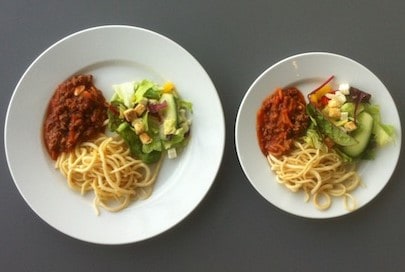
Use smaller plates (tricks your mind into thinking you are eating more). Finally, 20% of this amount will be your deficit for fat loss. For all of this to make sense, let’s first go over what calories are.
Dinner (458 calories)
One example is a very low-calorie diet that you do under the guidance of a healthcare professional. Tell your healthcare professional about your past efforts to lose weight. Your healthcare professional might be able to connect you with weight-loss support groups or refer you to a registered dietitian.
The calorie deficit diet for fat loss
Before you start eating at a deficit, it helps to know your maintenance calories, the number of calories you’d eat to neither lose nor gain weight. High-protein meals support satiety, helping you stay fuller longer. Choose lean options such as chicken, fish, or plant-based proteins. This plan is optimized to save you time and energy by reusing ingredients and leftovers in creative ways throughout the month.