
Exploring the hidden connections between gambling habits and mental well-being
The Psychology Behind Gambling
The relationship between gambling and mental well-being is complex and multi-faceted. At its core, gambling can provide an exhilarating escape from daily life, offering players a chance to experience thrills and excitement. Many people are now looking into new online casinos that provide an accessible way to explore different gaming options. However, for some individuals, this thrill can lead to unhealthy behaviors and addiction. Understanding the psychological drivers behind gambling is essential to unraveling its impact on mental health.
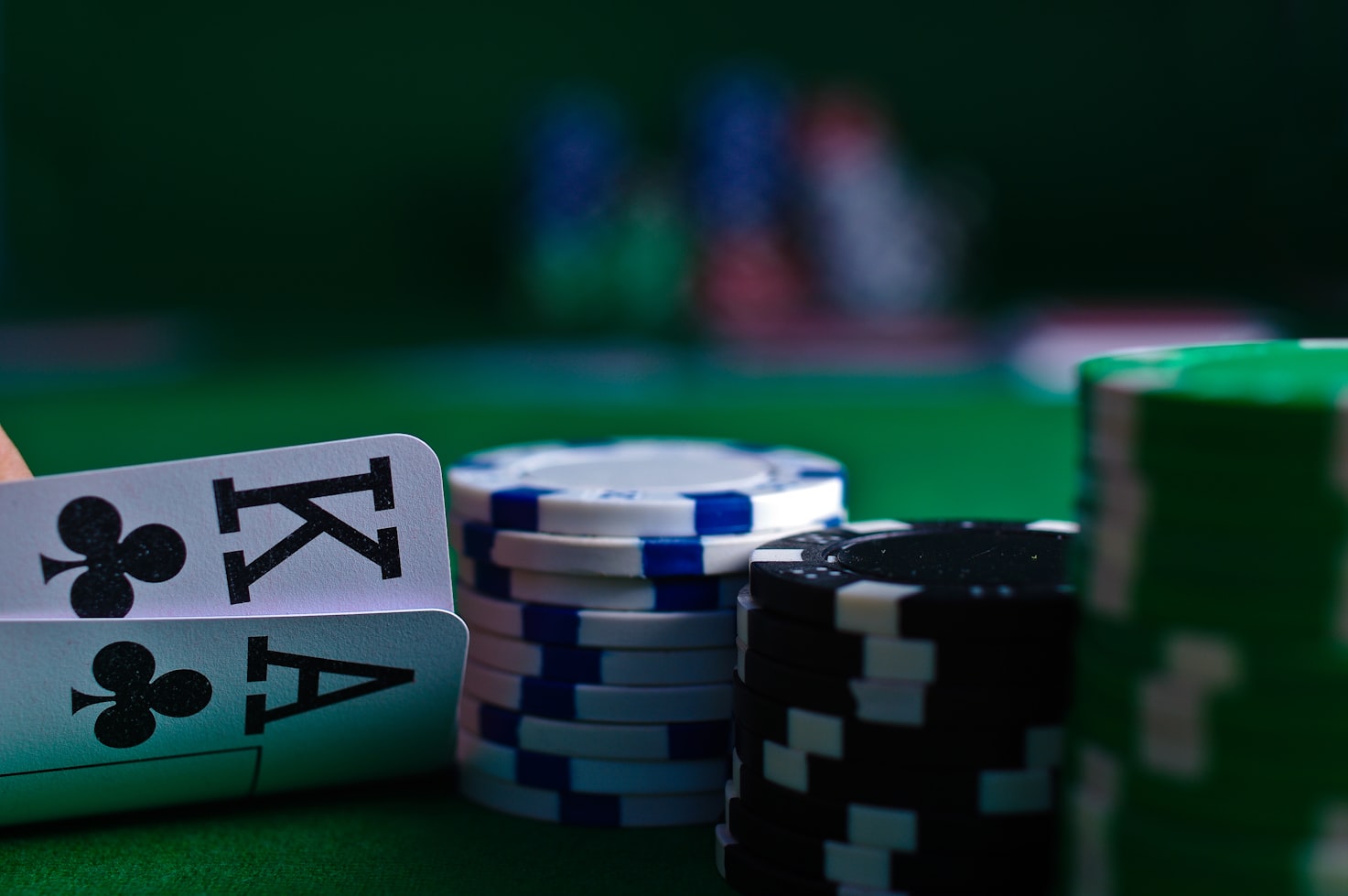
Many gamblers may seek out the activity as a way to cope with stress, anxiety, or depression. This escapism can temporarily alleviate feelings of discomfort, but it often comes with a high cost. Over time, reliance on gambling as a coping mechanism can exacerbate underlying mental health issues, creating a vicious cycle of dependence and emotional distress.
The Impact of Gambling on Mental Health
The effects of gambling on mental health can be profound. Individuals who engage in excessive gambling often experience increased levels of anxiety, depression, and even suicidal thoughts. The constant ups and downs associated with gambling can lead to emotional instability, further complicating the individual’s mental state. Consequently, it’s crucial to recognize when gambling becomes a harmful escape rather than a fun pastime.
Furthermore, the financial burdens resulting from gambling can lead to severe stress and anxiety. Many gamblers find themselves in deep financial trouble, which only heightens their emotional struggles. Therefore, a holistic understanding of these impacts is vital for both gamblers and mental health professionals to address the issue effectively.
The Role of Social Connections in Gambling
Social interactions play a significant role in gambling behavior. Many people gamble in social settings, believing it enhances their experience. However, the social environment can also perpetuate harmful habits. Peer pressure and the desire to fit in can lead individuals to gamble more than they originally intended, often resulting in negative consequences for their mental health.
Conversely, social support can provide a buffer against the potential harms of gambling. Friends and family can help individuals recognize harmful patterns and encourage healthier coping strategies. Building strong connections can also foster accountability, which is crucial for those seeking to reduce or eliminate gambling from their lives.
Identifying Problematic Gambling Behaviors
Recognizing problematic gambling behavior is the first step towards recovery and better mental health. Signs of trouble can include preoccupation with gambling, a need to gamble with increasing amounts of money, and the inability to control or stop gambling. These indicators can signal deeper issues related to one’s mental well-being.
It is essential for individuals to remain vigilant about their gambling habits and seek help if they recognize troubling signs. Awareness and early intervention can significantly improve one’s chances of overcoming gambling addiction and restoring a healthier mental state. Professionals trained in addiction recovery can provide the necessary support to navigate these challenges.

Discovering Resources for Help
For those struggling with gambling habits, various resources are available to assist in the journey toward mental well-being. Support groups, counseling services, and hotlines can offer valuable guidance and community for individuals seeking to break free from harmful gambling patterns. Moreover, education on responsible gambling can help individuals enjoy gaming experiences without jeopardizing their mental health.
Engaging with a supportive community and utilizing available resources can empower individuals to make informed decisions about gambling. It is essential to prioritize mental well-being and recognize that help is always within reach, ensuring that gambling remains a source of entertainment rather than distress.