
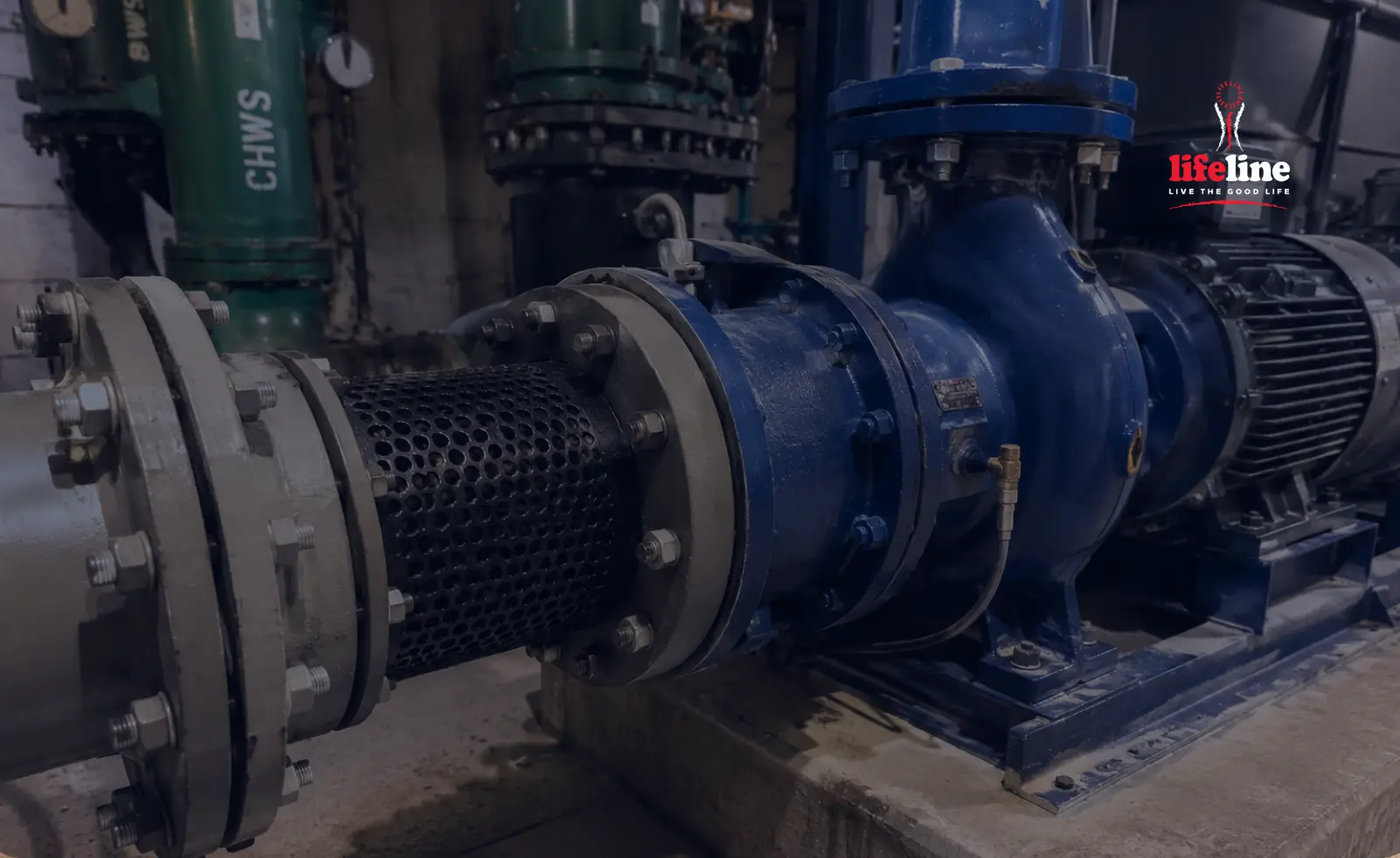
Why Pump Cavitation Occurs and How Suction Diffusers Help Prevent It
In modern HVAC, water distribution, and industrial pumping systems, maintaining smooth and efficient fluid flow is critical for long-term performance. However, one of the most common and costly issues affecting pump systems is cavitation. This phenomenon can significantly reduce pump efficiency, increase maintenance costs, and shorten equipment lifespan if not addressed properly.
Many facility managers, contractors, and engineers encounter pump failures without realizing that cavitation may be the underlying cause. Understanding why cavitation occurs and how suction diffusers help prevent it is essential for ensuring reliable system operation and protecting valuable equipment investments.
What Is Pump Cavitation?
Pump cavitation occurs when the pressure inside a pump drops below the liquid's vapor pressure, causing small vapor bubbles to form within the fluid. As these bubbles move into higher-pressure areas of the pump, they collapse violently.
Although these bubbles are microscopic, their repeated collapse generates intense shockwaves that can damage internal pump components over time.
Cavitation is often compared to tiny explosions occurring continuously inside the pump casing. While the damage may initially be invisible, the long-term effects can be severe.
Common Signs of Pump Cavitation
Early identification of cavitation can prevent expensive repairs and unexpected system downtime.
Common warning signs include:
-
Unusual rattling or grinding noises
-
Excessive vibration
-
Reduced water flow
-
Loss of pressure
-
Increased energy consumption
-
Premature wear on pump impellers
-
Frequent maintenance issues
If left untreated, cavitation can eventually lead to complete pump failure.
Why Pump Cavitation Occurs
Several factors contribute to cavitation in pumping systems. Understanding these causes helps engineers design systems that minimize risk.
1. Inadequate Pump Inlet Conditions
One of the most common causes of cavitation is poor flow conditions at the pump suction inlet.
When water enters the pump unevenly or turbulently, pressure variations develop inside the pump. These pressure fluctuations create favorable conditions for vapor bubble formation.
Improper piping layouts, elbows located too close to pump inlets, and restricted flow paths frequently contribute to this issue.
2. Low Net Positive Suction Head (NPSH)
Net Positive Suction Head (NPSH) represents the available pressure required to keep liquid in its liquid state before entering the pump.
When available NPSH falls below the pump's required NPSH, cavitation becomes highly likely.
Factors that reduce NPSH include:
-
High fluid temperatures
-
Long suction piping
-
Elevated pump installation
-
Excessive friction losses
3. Air Entrapment in the System
Air trapped within the piping network can disrupt flow patterns and create unstable operating conditions.
Entrained air often results from:
-
Poor system design
-
Leaking pipe connections
-
Improper venting
-
Low fluid levels
Air pockets contribute to turbulence and increase cavitation risk.
4. Improper Pump Sizing
Selecting a pump that is too large or too small for the application can create inefficient operating conditions.
Oversized pumps may operate far from their Best Efficiency Point (BEP), resulting in unstable flow characteristics and increased cavitation potential.
Proper hydraulic calculations are essential when selecting pumps for HVAC and water distribution systems.
5. Excessive System Resistance
Blocked strainers, undersized pipes, partially closed valves, and clogged filters can restrict flow and create pressure drops.
These restrictions force the pump to work harder while reducing available suction pressure.
The result is increased cavitation risk and reduced overall efficiency.
The Impact of Cavitation on Pump Systems
Pump cavitation is not simply a minor operational issue. Its consequences affect the entire system.
Equipment Damage
Continuous bubble collapse causes erosion on:
-
Pump impellers
-
Volutes
-
Mechanical seals
-
Bearings
Over time, these components experience severe wear and require replacement.
Increased Maintenance Costs
Frequent repairs, replacement parts, and unexpected downtime significantly increase operational expenses.
Reduced Energy Efficiency
Cavitating pumps consume more energy while delivering lower performance.
This creates unnecessary operating costs and reduces overall system efficiency.
Shortened Equipment Lifespan
Repeated cavitation damage accelerates equipment deterioration, reducing the expected lifespan of pumps and associated components.
How Suction Diffusers Help Prevent Cavitation
One of the most effective methods for reducing cavitation risk is the installation of properly engineered suction diffusers.
A suction diffuser is installed directly at the pump inlet and combines several important functions into a single compact unit.
These functions include:
-
Flow conditioning
-
Debris filtration
-
Elbow replacement
-
Flow stabilization
By improving flow conditions before water enters the pump, suction diffusers play a critical role in cavitation prevention.
Flow Conditioning for Improved Pump Performance
Water entering a pump should ideally be smooth, uniform, and free from turbulence.
In many systems, elbows and fittings located near the pump create uneven velocity profiles that disturb incoming flow.
Suction diffusers contain specially designed internal vanes that redistribute and straighten flow before it reaches the pump.
This results in:
-
Improved flow uniformity
-
Reduced turbulence
-
Better pressure distribution
-
Enhanced pump efficiency
Stable inlet conditions greatly reduce the likelihood of cavitation.
Protection Against Debris
Foreign particles and debris can obstruct flow paths and contribute to pressure drops.
Most suction diffusers incorporate an integrated strainer that captures debris before it reaches the pump.
This provides two major benefits:
-
Protection of pump components
-
Reduced risk of flow restrictions
Maintaining clean and unrestricted flow improves overall system reliability.
Reduced Vibration and Noise
Cavitation often generates excessive vibration and noise.
By conditioning flow and reducing turbulence, suction diffusers help create smoother pump operation.
Benefits include:
-
Lower vibration levels
-
Reduced operational noise
-
Improved equipment stability
These improvements contribute to a more reliable and comfortable operating environment.
Improved System Efficiency
Efficient fluid flow allows pumps to operate closer to their intended performance curve.
This improves:
-
Hydraulic efficiency
-
Energy savings
-
Pressure stability
-
Equipment reliability
For HVAC systems and commercial buildings, even small efficiency improvements can generate substantial long-term savings.
Applications of Suction Diffusers
Suction diffusers are widely used in:
-
Chilled water systems
-
Hot water systems
-
Commercial HVAC installations
-
Industrial pumping systems
-
District cooling networks
-
Water distribution systems
Their versatility makes them a valuable component in projects requiring reliable pump performance.
Choosing the Right Suction Diffuser
Selecting the proper diffuser depends on several factors:
-
Flow rate requirements
-
Pipe size
-
Pump specifications
-
System pressure
-
Application type
Working with an experienced suction diffusers HVAC Systems Supplier in UAE helps ensure correct product selection and optimal performance.
Trusted Solutions from General Pumps
High-quality system components play an important role in preventing cavitation and maintaining long-term reliability.
LIFE LINE is the authorized distributor of General Pumps suction diffusers, providing engineered solutions designed to improve pump protection, optimize flow conditions, and enhance HVAC system performance.
These solutions are widely used across commercial, industrial, and infrastructure projects where reliability and efficiency are critical.
The Importance of Integrated Engineering Design
Cavitation prevention begins long before equipment installation.
Proper engineering design considers:
-
Pump sizing
-
Flow calculations
-
Pipe routing
-
Pressure requirements
-
Component selection
Organizations specializing in water engineering solutions in UAE understand the importance of integrating hydraulic design principles with high-performance equipment to achieve reliable long-term results.
Similarly, many projects involving water pump suppliers in sharjah and submersible pump suppliers in uae benefit from comprehensive engineering support that addresses system performance from the design stage.
Conclusion
Pump cavitation remains one of the most common causes of reduced pump performance, increased maintenance costs, and premature equipment failure. While several factors contribute to cavitation, poor inlet flow conditions are among the most significant.
Suction diffusers provide an effective solution by conditioning flow, reducing turbulence, protecting pumps from debris, and improving hydraulic efficiency. Their ability to create stable inlet conditions helps minimize cavitation risk while extending equipment lifespan and reducing operational costs.
For HVAC, commercial, and industrial systems, investing in properly designed suction diffuser solutions is a practical step toward achieving reliable, energy-efficient, and long-lasting pump performance.